Differences Between Asphalt Courts for Tennis vs. Pickleball
People seeking asphalt installation for tennis or pickleball courts often want durable, properly designed surfaces, and local contractors can help ensure the right specifications are met.
Understanding the differences between asphalt courts for tennis and pickleball is essential for property owners considering a new or upgraded outdoor court. While both sports can be played on asphalt surfaces, subtle variations in design, surface texture, and durability can impact gameplay and long-term maintenance. For those in the area exploring options for installing or renovating a court, knowing these distinctions can help ensure the finished surface meets the specific needs of each sport, providing optimal performance and safety. Local contractors specializing in asphalt installation for tennis and pickleball courts are equipped to help navigate these choices and deliver a surface tailored to the intended use.
Property owners often seek guidance on whether to install a tennis or pickleball court, especially as demand for pickleball continues to grow. Practical considerations like court size, surface texture, and surface resilience can influence the overall experience and longevity of the court. Engaging with experienced service providers in the area ensures that the asphalt surface is properly prepared and finished to suit the unique requirements of each sport. Keep reading to learn more about how these differences can impact your outdoor recreational space and how local asphalt installation experts can assist in creating the ideal court for your needs.
Get Quotes for Tennis Court And Pickleball Court Asphalt Installation
- Tennis court asphalt installation - individuals seeking durable, high-performance courts for regular tennis play often rely on local contractors experienced in specific surface preparations.
- Pickleball court asphalt installation - those wanting a smooth, responsive surface for pickleball games can find service providers who tailor asphalt work to accommodate quick ball rebound and safety.
- Differences in asphalt courts for tennis vs. pickleball - local pros understand the need for different surface textures and markings to optimize gameplay for each sport.
- Custom asphalt paving for tennis and pickleball courts - clients looking for courts that meet sport-specific standards can connect with experts skilled in adjusting asphalt thickness and surface finish accordingly.
- Asphalt installation considerations for sport-specific courts - service providers assess factors like surface slope and crack resistance to ensure courts perform well for either tennis or pickleball.
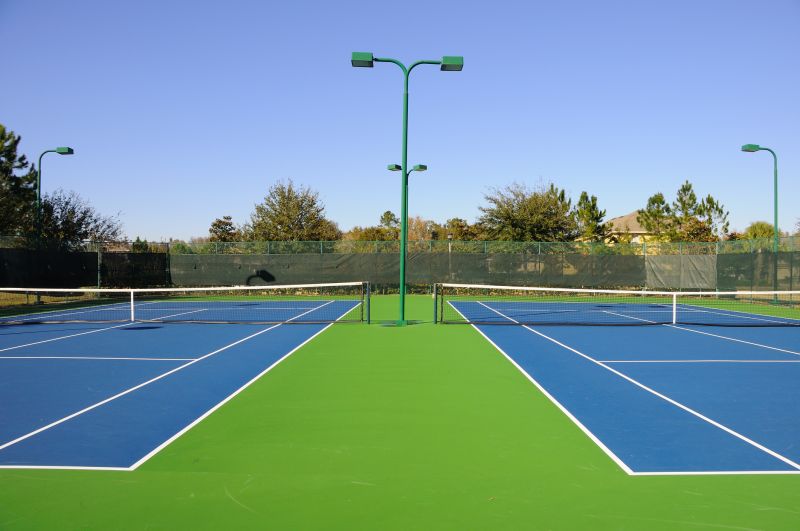
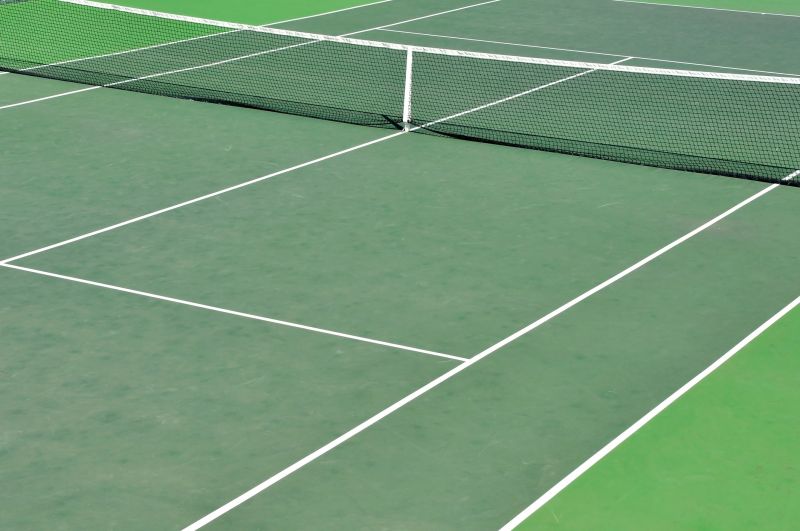
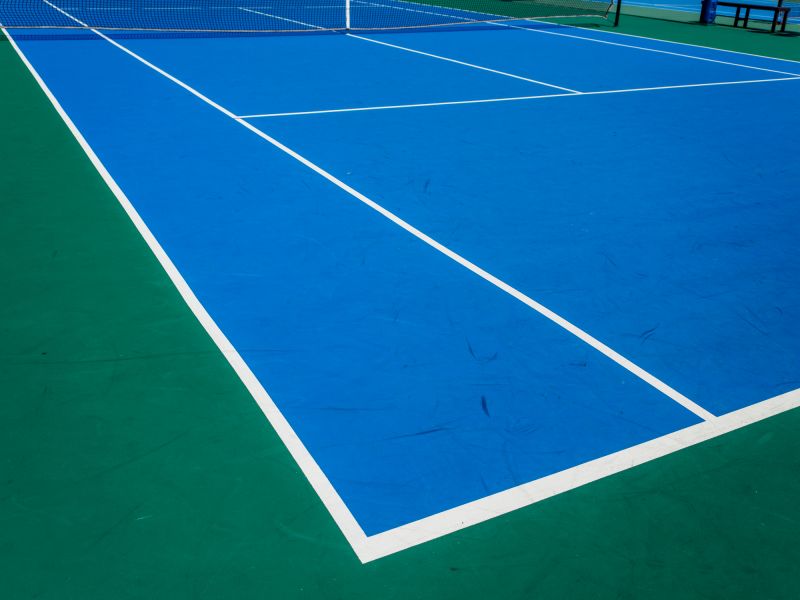
When people search for the differences between asphalt courts for tennis vs. pickleball, they often want to understand how the surface impacts gameplay, durability, and maintenance. Homeowners considering installing a new court or upgrading an existing one typically aim to determine which type of surface best suits their preferred sport and property. These inquiries are connected to planning projects that involve selecting the right court type, ensuring proper installation, and understanding how the surface’s characteristics influence playability and longevity. Local service providers specializing in asphalt court installation can help guide these decisions by offering insights into the specific needs of each sport and how different asphalt formulations and surface finishes can optimize the court for either tennis or pickleball.
The core issues surrounding these differences often relate to the court’s surface texture, bounce quality, and friction levels. Tennis courts generally require a smoother, more consistent asphalt surface to facilitate fast-paced rallies and predictable ball behavior. In contrast, pickleball courts benefit from a slightly textured surface that provides better grip for quick movements and directional changes. Property owners may also consider the size and layout of the court, as pickleball courts are typically smaller, which can influence the type of asphalt surface used. These factors are essential when planning a new installation or renovating an existing court, as they directly affect the play experience and the long-term performance of the asphalt surface.
Properties that commonly come up in discussions about asphalt courts include the thickness of the asphalt layer, the type of surface coating or paint applied, and the underlying sub-base. For tennis courts, a thicker asphalt layer with a smooth finish is often preferred to withstand high-impact play and reduce surface wear. Pickleball courts, on the other hand, may use a slightly thinner asphalt layer with a textured topcoat to enhance grip and reduce slipping. The property’s climate and soil conditions also influence the choice of asphalt mix and installation techniques. Local contractors who specialize in asphalt court construction can evaluate these property-specific factors and recommend the best approach to achieve a durable, high-quality court tailored to the chosen sport.
Understanding the differences between asphalt courts for tennis vs. pickleball helps property owners plan their project more effectively. Whether installing a new court or upgrading an existing one, knowing how surface properties and design considerations vary can prevent issues like uneven bounce, excessive wear, or inadequate grip. These insights also clarify how local asphalt installation professionals can customize their work to meet the unique demands of each sport. By working with experienced service providers, homeowners can ensure their court is built with the right materials and specifications, resulting in a surface that performs well and lasts for years to come. This practical knowledge helps bridge the gap between sport-specific needs and the technical aspects of asphalt court construction, making it easier to turn a property into a functional, enjoyable sports area.
Sports court resurfacing projects involve preparing and applying new asphalt layers, similar to the work needed for tennis and pickleball courts, requiring precise planning and surface finishing skills.
Outdoor basketball court installations require similar site preparation, grading, and asphalt application techniques used in creating durable tennis and pickleball court surfaces.
Driveway paving services involve asphalt laying and surface smoothing that align with the skills needed for installing and maintaining sports courts like tennis and pickleball courts.
Playground surface surfacing projects often involve asphalt work for safety surfacing, requiring expertise in site prep and surface leveling similar to that for tennis and pickleball courts.
Parking lot repair and resurfacing projects demand asphalt patching and surface sealing skills that are applicable to maintaining and installing tennis and pickleball court surfaces.
Walking trail paving projects involve asphalt spreading and finishing techniques that are similar to those used in constructing smooth, durable tennis and pickleball court surfaces.
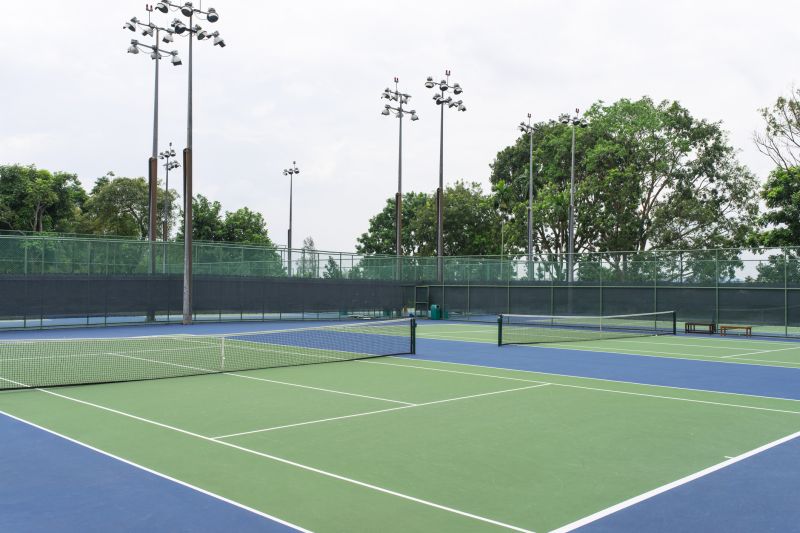
When comparing service providers for asphalt court installation, it is important to consider their experience with projects similar to tennis and pickleball courts. Local contractors who have a proven track record in installing these specific types of courts are more likely to understand the unique requirements for each sport, such as surface thickness, cushioning, and playing surface texture. Asking for examples of past work or references related to tennis or pickleball court projects can provide insight into their familiarity with the nuances involved in creating durable, high-quality courts tailored to each sport’s playing style.
Clear written expectations are essential when evaluating asphalt court installation services. A reputable service provider should be able to outline the scope of work, including surface preparation, asphalt mix specifications, and finishing details, in a detailed proposal. This documentation helps ensure there is a shared understanding of the project requirements and allows homeowners to compare offerings effectively. It also provides a basis for discussing any specific considerations related to differences between asphalt courts for tennis versus pickleball, such as surface smoothness or rebound characteristics.
Effective communication and reputable references are key indicators of a reliable service provider. Contractors who communicate clearly and promptly can help clarify the differences between asphalt courts for tennis vs. pickleball, ensuring the homeowner’s needs and expectations are well understood. Additionally, references from previous clients who had similar courts installed can offer valuable insights into the contractor’s professionalism, reliability, and quality of work. Gathering this information can help homeowners select a local contractor capable of delivering a court that meets the specific demands of the sport and the property, with a smooth, durable surface suited to the intended use.
Get a Quote for Tennis Court And Pickleball Court Asphalt Installation
Property owners often search for differences between asphalt courts for tennis vs. pickleball when they are planning practical projects around their homes and businesses. Local pros provide Tennis Court and Pickleball Court Asphalt Installation services for everyday jobs and straightforward project options.
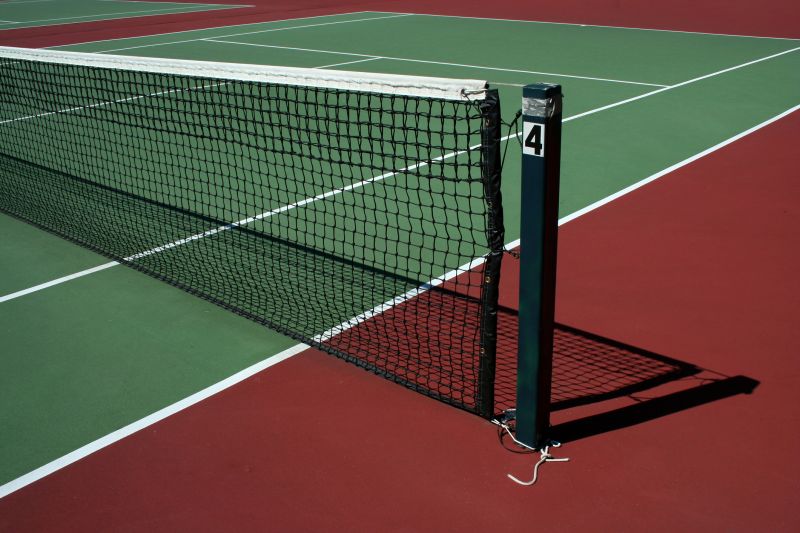
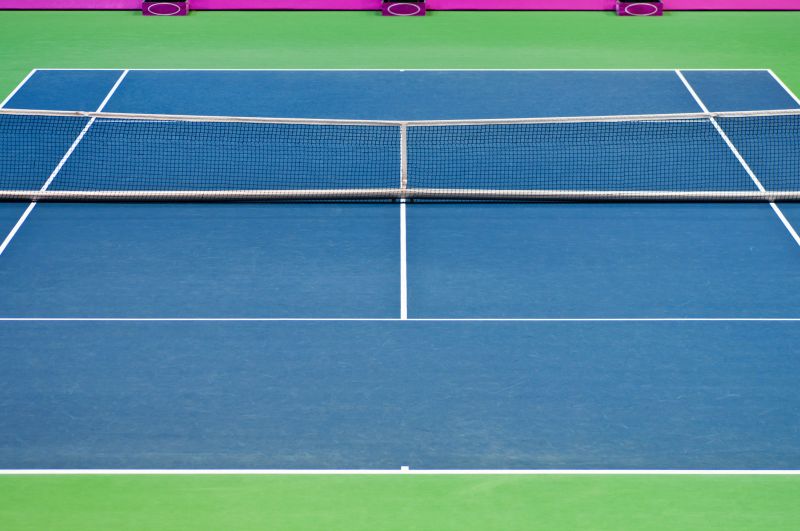
Understanding the differences between asphalt courts for tennis and pickleball can help property owners make informed decisions when planning a new court or upgrading an existing one. Tennis courts typically require a smooth, durable surface with a slightly softer feel to accommodate high-speed play and larger court dimensions. Pickleball courts, on the other hand, often benefit from a slightly textured surface that provides good traction for quick movements and rapid changes in direction. Local contractors experienced in asphalt installation can tailor their approach to meet these specific needs, ensuring the court surface supports the intended sport’s gameplay and safety requirements.
Property owners in the area considering asphalt courts may also want to explore how surface thickness, color, and line markings differ between tennis and pickleball setups. Tennis courts generally need a thicker asphalt layer for long-term stability and resilience against heavy use, while pickleball courts might be slightly thinner but still require a high-quality finish for consistent bounce and traction. Local service providers can evaluate the space and usage expectations to recommend the best asphalt options, helping ensure the finished court is both functional and long-lasting for whichever sport is played.
Get a Quote for Tennis Court And Pickleball Court Asphalt Installation
What are the main differences in asphalt court surface specifications for tennis versus pickleball? The surface specifications for asphalt courts vary based on the sport’s playing style, with tennis courts typically requiring a smoother, more durable surface to support longer rallies, while pickleball courts may have slightly different surface textures to accommodate quick movements and smaller court dimensions. Local contractors can tailor asphalt installation to meet these specific needs for each sport.
How does the size and layout of asphalt courts differ for tennis and pickleball? Tennis courts are larger, measuring 78 by 36 feet, whereas pickleball courts are smaller at 44 by 20 feet. Asphalt installation services adapt the court dimensions and layout accordingly, ensuring proper markings and surface stability for each sport.
Are there differences in the type of asphalt used for tennis versus pickleball courts? While the base asphalt material may be similar, the finishing layer and surface texture can differ to optimize playability for each sport. Local service providers can customize asphalt finishes to enhance traction and ball bounce suitable for tennis or pickleball.
What impact do differences in asphalt courts have on maintenance needs for tennis versus pickleball? The surface characteristics tailored for each sport influence maintenance routines; tennis courts may require more frequent resurfacing due to larger surface area and higher traffic, while pickleball courts might need less frequent upkeep. Local pros can advise on the best asphalt options to minimize ongoing maintenance.
How do the playing surfaces for asphalt courts affect gameplay for tennis compared to pickleball? The surface texture and court dimensions influence ball bounce, speed, and player movement, with tennis courts designed for longer rallies and pickleball courts optimized for quick, agile play. Asphalt installation experts can ensure the surface is properly prepared to support the specific gameplay of each sport.
Surface Smoothness - Choosing the right asphalt finish can impact playability for tennis and pickleball, and local contractors can help achieve the desired surface quality.
Court Size and Markings - Properly sizing and marking the court for each sport ensures optimal use, with local pros providing installation tailored to specific dimensions.
Surface Durability - Different asphalt mixes can enhance durability for high-traffic courts, and service providers can recommend options suited to each sport’s activity level.
Drainage and Slope - Ensuring proper drainage and slope is essential for court longevity and safety, with local contractors capable of designing these features for both tennis and pickleball courts.
If you are thinking about differences between asphalt courts for tennis vs. pickleball for a property, this guide is meant to help you understand this topic, the typical project types, and how different options might fit your plans.
When you are ready, you can use the quote form on this page to share a few details about your project. From there, local pros can review the basics and follow up with options that match what you have in mind.
Get a Quote for Tennis Court And Pickleball Court Asphalt Installation